Public Cultural Access & Community Development in Action
LE CERCLE implements an empirical, public-interest approach to regional cultural development. By combining shared production workshops, mobile civic showcases, and peer-to-peer technical mentorship, our association eliminates socioeconomic barriers and revitalizes civic participation across Greater Besançon.

Notre Mission / Our Mission
LE CERCLE serves the public interest and drives community development by connecting diverse creative talent and expanding public access to cultural expression across Besançon and the Bourgogne-Franche-Comté region. By building a collaborative network of artistic professionals and providing shared digital tools, production support, and logistical resources, the organization empowers local creators to realize high-impact cultural projects without commercial pressure. The association organizes inclusive public events, community exhibitions, and digital showcases that bring residents together, revitalize local culture, and strengthen social cohesion throughout diverse urban neighborhoods. Partnering with local civic organizations and utilizing non-profit merchandise distribution, the association systematically reduces financial and technical barriers for emerging artists, ensuring vibrant, accessible artistic experiences for the broader public while stimulating civic participation and regional creative vitality.
Field Methodology: Ground Team Execution & Democratic Access
Traditional cultural institutions often suffer from administrative centralization, creating psychological and geographic distance between professional cultural institutions and everyday community members. LE CERCLE overcomes this divide through decentralized field execution. Our methodology is structured around continuous community observation, iterative project design, and shared accountability.
Every initiative begins with direct community consultations held in public neighborhood spaces—including school cafeterias, municipal parks along the Doubs, and community garden associations. Rather than imposing top-down programming, our volunteer field coordinators listen to neighborhood residents, identify cultural desires and historical local themes, and co-design civic projects alongside local creators. This consultative groundwork ensures that our public initiatives directly address localized social needs rather than abstract curatorial tastes.
Once an initiative is approved by our ethics committee, the association deploys its non-monetary logistical reserves: staging equipment, digital editing stations, public liability insurance coverage, and volunteer safety marshals. This ensures that emerging creators can focus entirely on expressive quality and educational outreach without assuming burdensome personal debt or legal liabilities.
Throughout execution, ground teams maintain detailed observation logs. We document not only attendance figures, but qualitative indicators: participant age distribution, neighborhood of origin, duration of engagement, and collaborative interactions between generational cohorts. These records feed into our annual statutory reporting, ensuring complete transparency for our members and institutional partners.
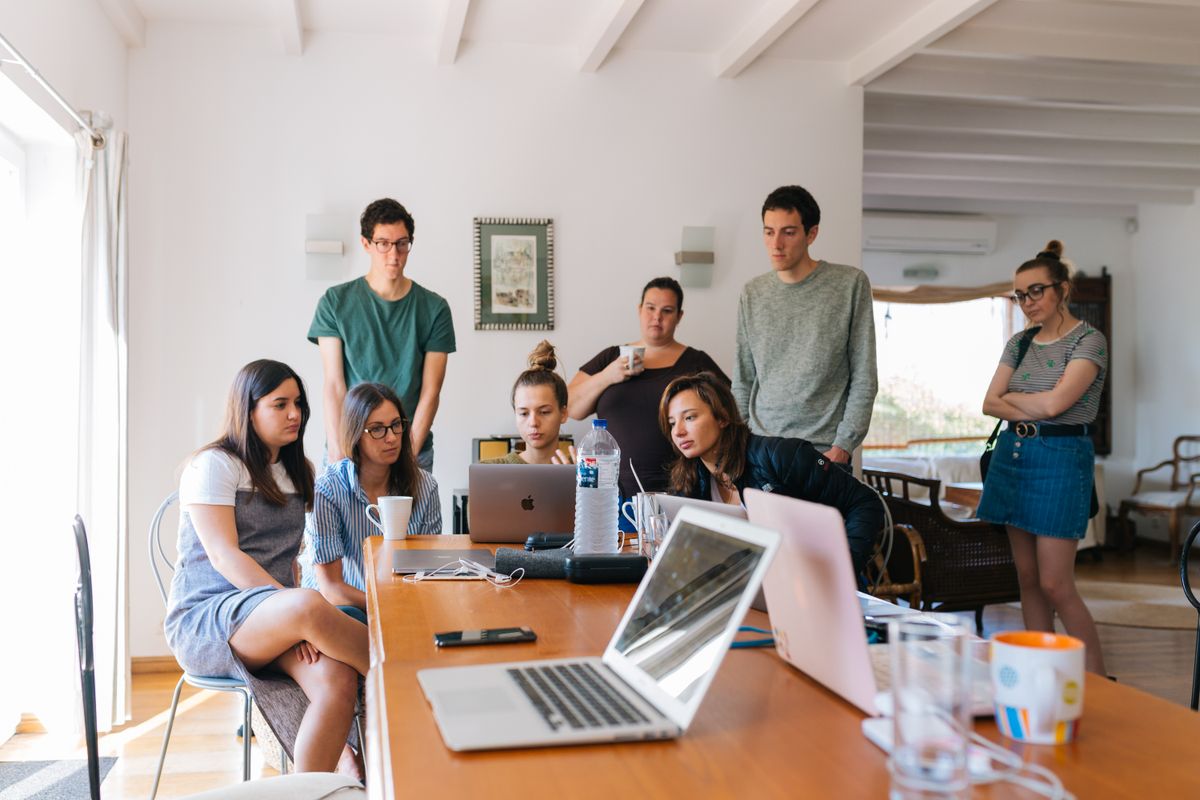
Empirical Civic Observation: The Three-Stage Field Cycle
Our field teams operate according to a standardized three-stage intervention model that guarantees both artistic excellence and civic accountability:
- Stage 1 — Needs Assessment & Territorial Listening (Months 1–2): Volunteer facilitators host listening circles at neighborhood community centers. Ground teams map out existing cultural deficits, equipment shortages, and local oral histories that deserve civic preservation.
- Stage 2 — Collaborative Fabrication & Skill Transfer (Months 3–4): Selected projects move into our shared workshop at 60 Rue des Granges. Experienced volunteer artisans provide technical mentorship in screenprinting, audio capture, or digital publishing. All participants are trained in tool safety and material conservation.
- Stage 3 — Free Public Presentation & Democratic Review (Months 5–6): Completed artworks, zines, soundscapes, or community installations are showcased in open municipal spaces across Besançon. Field staff distribute anonymous feedback cards to measure social impact, community cohesion, and accessibility outcomes.
Four Deep-Dive Strategic Pillars of LE CERCLE
Each strategic pillar is backed by certified field protocols, verified milestone tracking, and annual statutory auditing to guarantee measurable civic impact across the city of Besançon.
The Shared Production Workshop & Digital Commons
The primary physical engine of our association is the multi-disciplinary workshop located at 60 Rue des Granges in Besançon. The space is equipped with professional-grade screenprinting carousels, fine-art photographic print suites, high-fidelity sound recording interfaces, and open-source media workstations running Debian Linux and free creative software (Krita, Blender, Inkscape, Audacity).
Field Protocols & Safety: Any resident can access the workshop after attending a free mandatory 90-minute safety and ethics orientation. Certified volunteer technicians are on-site during all operating hours to assist with equipment calibration, material selection, and ergonomic handling. In 2025–2026, the workshop provided over 1,400 hours of free technical access to 180+ individual community creators.
Equipment Calibration & Longevity: Every piece of shared equipment is subjected to preventive maintenance on the first Monday of each month. Volunteer mechanics and technicians log hours of use, replace worn bearings, calibrate print bed alignments, and refresh open-source software repositories, ensuring that our communal tools outlast commercial lifespans.
Decentralized Neighborhood Cultural Showcases
To break down the psychological barrier of traditional gallery spaces—which research shows intimidate many working-class families and immigrants—LE CERCLE stages exhibitions directly within community environments. Our mobile exhibition team utilizes lightweight modular display panels and battery-powered illumination systems to transform public squares, municipal libraries, and covered markets into vibrant cultural arenas.
Civic Engagement & Dialogue: Every showcase includes interactive artist-led discussions, collaborative live-creation demonstrations, and bilingual informational brochures. Attendees are invited to leave handwritten observations and ideas for future cultural interventions. In 2025, our mobile showcases visited six distinct neighborhoods across Besançon, engaging more than 3,400 passing pedestrians and residents.
Territorial Inclusivity: Particular attention is given to districts outside the central tourist core, such as Planoise, Clairs-Soleils, and Les Orchamps. By taking exhibitions directly into the residential courtyards and pedestrian passages where families live their daily lives, we establish cultural access as an intrinsic element of civic infrastructure.
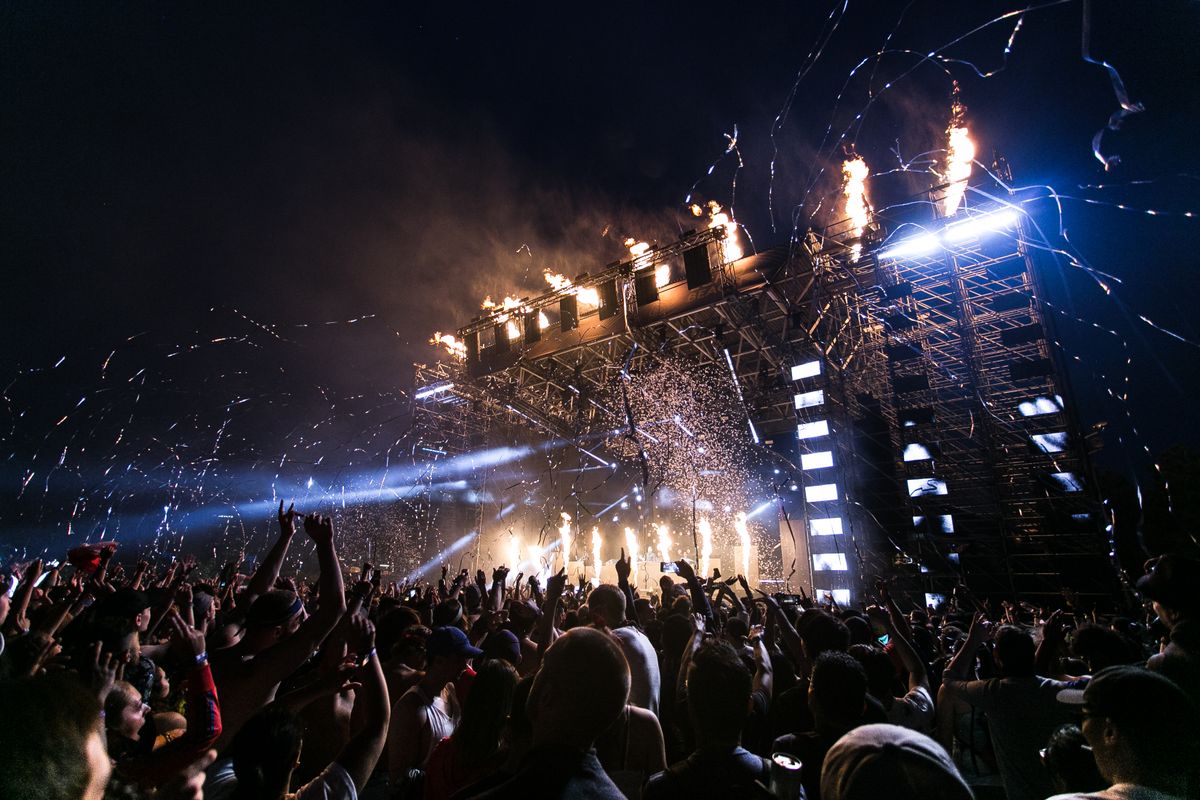
Non-Commercial Youth Mentorship & Educational Clinics
Creative careers are notoriously difficult to navigate without preexisting networks or familial financial safety nets. LE CERCLE counters this systemic bias by offering structured, free mentorship programs for young creators aged 16 to 25. Mentorship cohorts run for four months and encompass four core training modules: technical production standards, project budgeting for non-profits, portfolio curation, and civic non-profit law.
Ethical Code of Mentorship: Volunteer mentors sign an institutional charter prohibiting any commercial exploitation of mentees' creative work. All intellectual property remains 100% owned by the emerging creators, who are encouraged to release their work under Creative Commons licenses to enrich the public cultural commons.
Intergenerational Knowledge Exchange: Mentors include retired engravers, municipal archivists, professional acoustic engineers, and experienced typographers who donate their weekend hours. This intergenerational dynamic bridges demographic divides, providing younger creators with rare craft knowledge while offering older mentors meaningful civic purpose.
The Non-Profit Logistics & Material Pool
Equipment rental fees are frequently the death knell of grassroots cultural projects. A single weekend rental of a sound system or projection unit can drain the entire budget of an emerging neighborhood initiative. To eradicate this friction, LE CERCLE maintains a communal asset registry encompassing audio mixers, microphones, video projectors, mobile staging risers, and professional screenprinting silks.
Mutualized Inventory Rules: Verified non-profit associations, school clubs, and accredited volunteer groups can reserve inventory items through an open, transparent queue system. No rental fees or commercial deposits are charged; borrowers simply sign a mutual-aid covenant committing to safe handling, return within agreed timeframes, and peer inspection upon check-in.
Democratic Tool Governance: Requests are processed by our volunteer logistics working group on a weekly basis, prioritizing under-resourced grassroots initiatives. If multiple groups request the same apparatus, allocation is decided based on public interest impact and neighborhood reach rather than financial bidding.
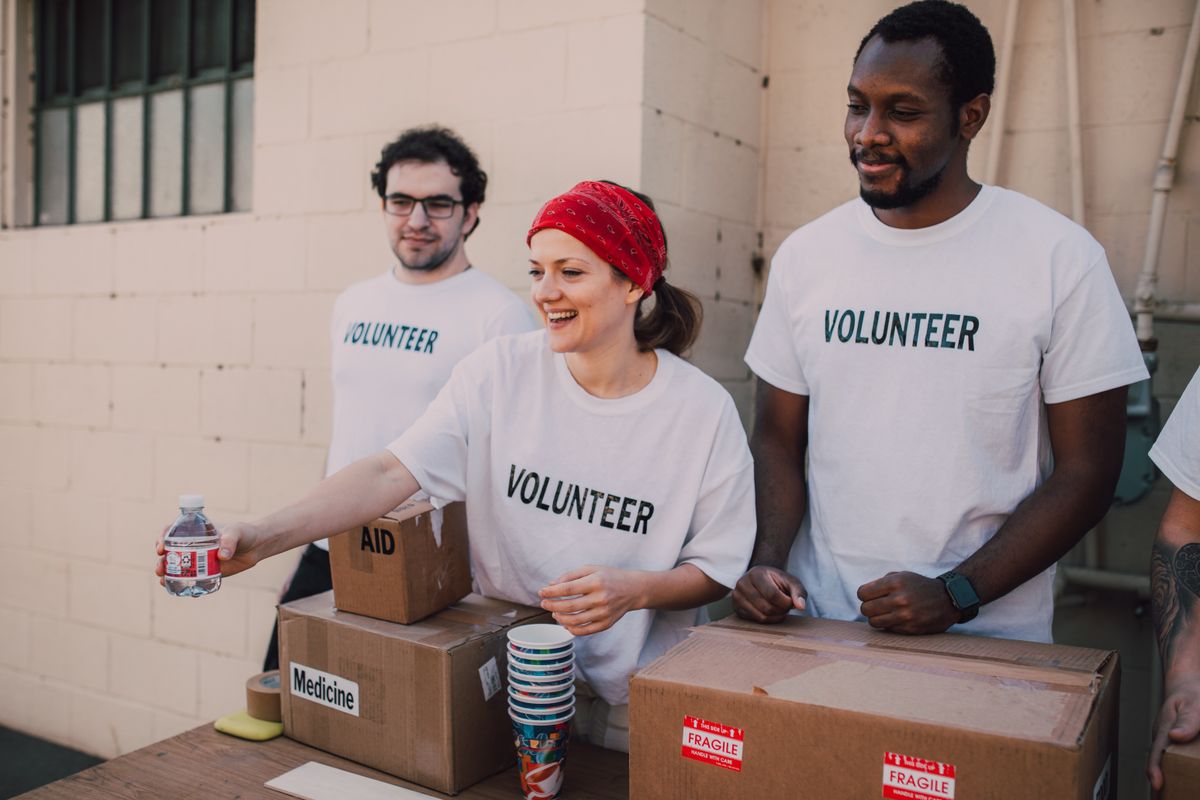
Environmental Responsibility & Sustainable Cultural Practice
Cultural vitality cannot be pursued in isolation from environmental stewardship. LE CERCLE integrates eco-responsible standards into every facet of its workshop operations and public event logistics:
Non-Toxic Materials
100% water-based textile inks, zero solvent discharge in our printing studio, and vegetable-based binding glues for all community zine and booklet production.
Reclaimed Substrates
Over 65% of all wood, canvas stretchers, and exhibition fixtures are sourced from local industrial recycling partnerships and construction salvage depots.
Low-Energy Logistics
All neighborhood equipment transfers within the Besançon loop are executed via cargo bicycles or public electric utility transport to minimize carbon emissions.
These ecological practices are integrated into our public workshop curriculum, training participants in sustainable creative fabrication and circular resource management. In our screenprinting department, cleaning tanks use closed-loop settling filtration systems that capture ink sediments before water disposal, ensuring zero contamination of municipal water networks in Besançon.
Furthermore, all paper and print media utilized during community workshops are certified 100% recycled or sustainably forested under FSC / PEFC standards. By demonstrating that high-caliber cultural artifacts can be fabricated from reclaimed wood, cardboard, and recycled textiles, LE CERCLE inspires local creators to embrace ecological responsibility as a catalyst for creative innovation.

Territorial Case Studies: Direct Impact Across Municipal Sectors
To demonstrate how our field methodology translates into tangible community cohesion, our field teams track specific case studies across distinct sectors of the city of Besançon:
Case Study A: The Battant Oral History & Print Archive
In the historic working-class district of Battant, our volunteers paired elderly residents with high school art students over a six-week period. Together, they recorded neighborhood memories of local textile and watchmaking ateliers, subsequently translating those testimonies into hand-printed community posters distributed free of charge throughout neighborhood bakeries and libraries.
Case Study B: The Planoise Mobile Acoustic Soundscape
Responding to community requests for youth creative programming in Planoise, our mobile audio laboratory deployed battery-operated field recording kits to capture urban ambient sounds, spoken-word poetry, and multicultural musical traditions. The resulting participatory audio piece was showcased during an open-air public gathering attended by over 300 neighborhood families.
Long-Term Civic Impact: Building Social Cohesion in Greater Besançon
The true measure of LE CERCLE's success is not financial turnover, but the depth and resilience of social bonds created between diverse community groups. In a society increasingly fragmented by digital isolation and economic stress, shared physical spaces where neighbors make things together with their hands become vital anchors of civic health.
When an elderly craftsperson mentors a high school student in linocut engraving, or when an immigrant parent collaborates with a local university student on an open-air mural along the Doubs, barriers of prejudice and mistrust dissolve. Culture ceases to be a luxury commodity consumed by an elite and becomes a living civic dialogue shared by all citizens.
Our long-term impact roadmap for 2026–2030 aims to expand these mutualized networks to peripheral rural cantons across the Doubs valley, ensuring that small village communities enjoy equal access to mobile media laboratories and open-source fabrication clinics. By anchoring cultural production in local solidarity, participatory democracy, and ecological sobriety, LE CERCLE establishes an enduring benchmark for regional cultural non-profits in France.
Non-Commercial Integrity & Statutory Reinvestment
LE CERCLE is governed by strict non-profit statutes under French law. The association does not engage in commercial merchandise sales or proprietary fee structures. All membership fees and dues are fully reinvested in the association's public interest missions. Detailed records of all tool acquisitions, material disbursements, and grant allocations are publicly accessible in our annual statutory audits.